
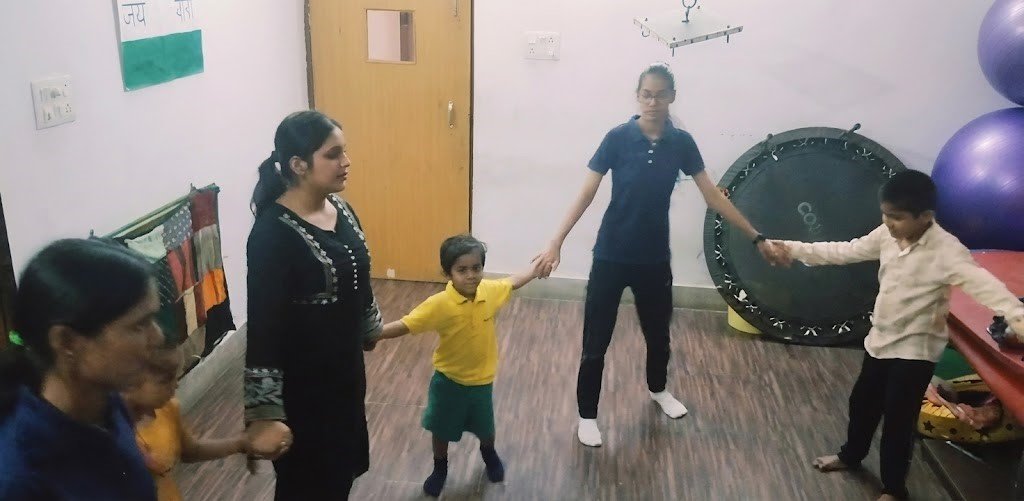
Play Therapy And Group Therapy

Play & Group Therapy for Holistic Growth

Learning, expressing, and growing together

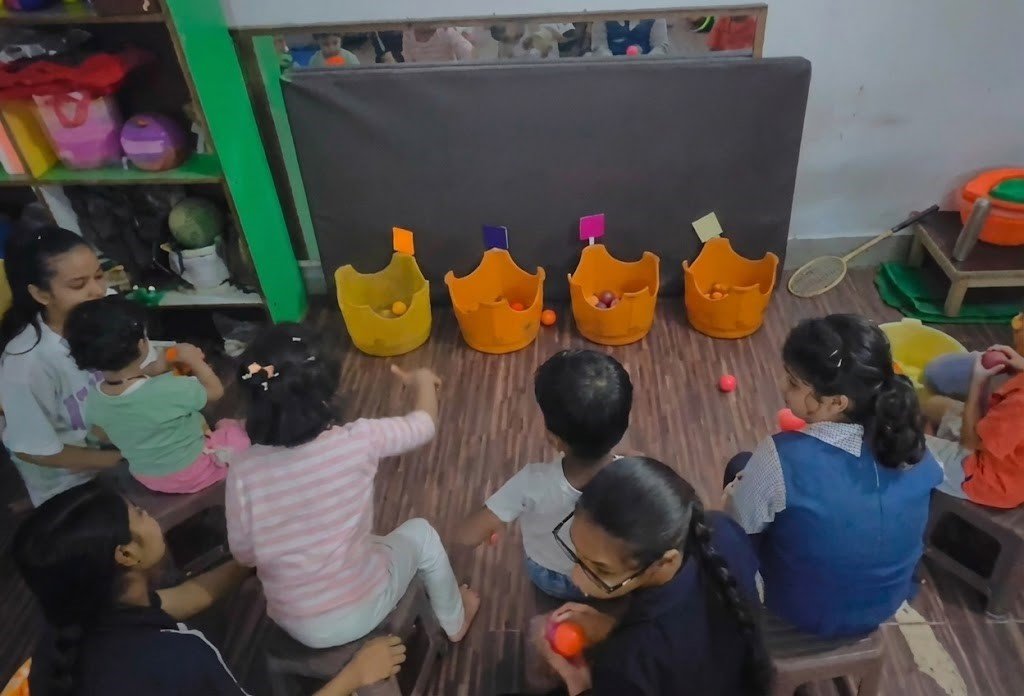
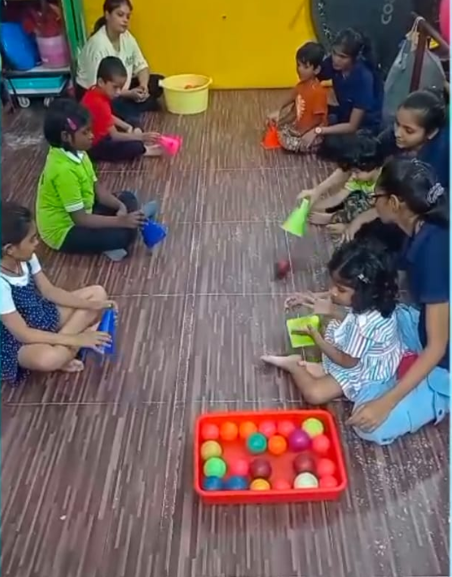
Through guided play and group interactions, children develop emotional expression, social skills, confidence, and positive behavior in a safe, supportive, and engaging environment.

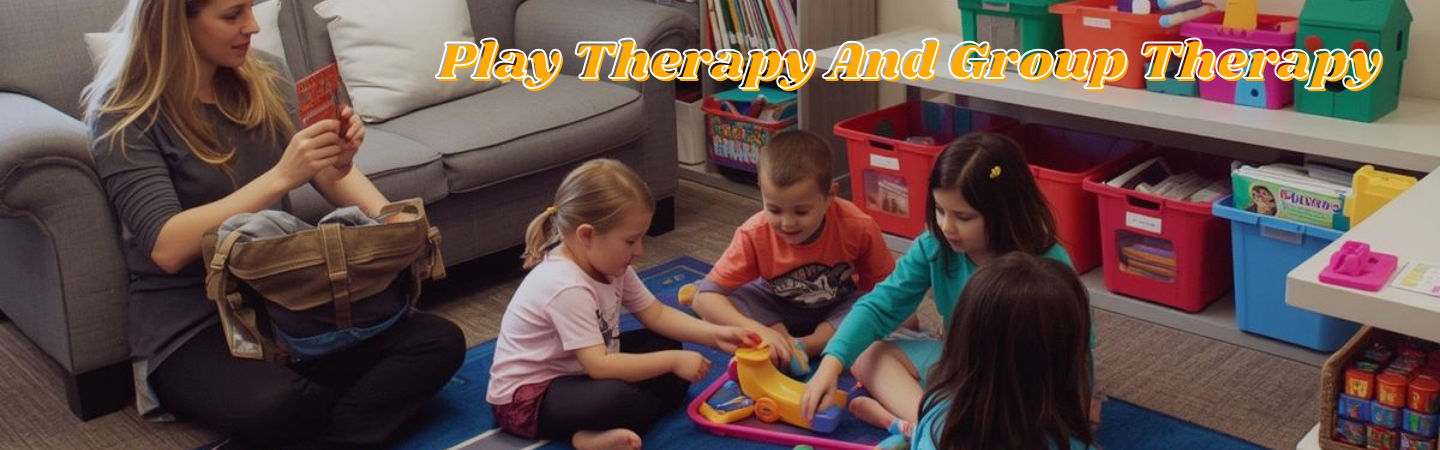
play therapy group therapy banner
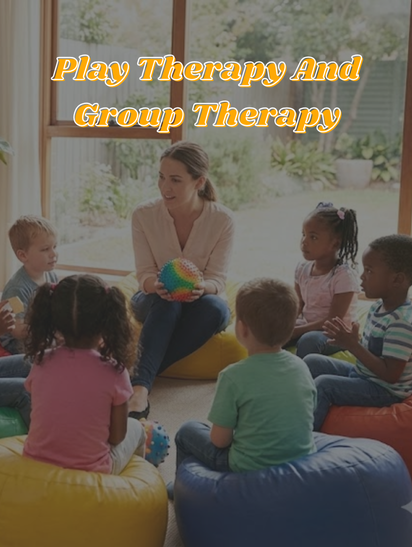
play therapy and group therapy mobile banner
play therapy

Play Therapy And Group Therapy

Play therapy and group therapy is a form of counseling or psychotherapy that uses play to communicate with and help people, especially children, to prevent or resolve psycho social challenges. This is thought to help them towards better interaction ,social integration, growth and development, emotional modulation.

Play therapy group therapy can also be used as a tool of diagnosis. A play therapist observes a client playing to determine the cause of the disturbed behavior. The objects and patterns of play, as well as the willingness to interact with the therapist, can be used to understand the underlying rationale for behavior both inside and outside of therapy session.

Therapy Can Be Divided Into Two Basic Types:

non directive

Non-directive

Therapy, including traditional sand play therapy, family therapy, and play therapy with the use of toys.

directive

Directive

Directive play therapy is a method that includes more structure and guidance by the therapist as children work through emotional and behavioral difficulties through play

Who Need play and group therapy

autism

Autism

behavior problem

Behaviour disorder

asperger

Asperger's Syndrome

autism

Autism

behavior problem

Behaviour disorder

asperger

Asperger's Syndrome

one of the eating disorders

One of the eating disorders

attention deficit

Attention Deficit Disorder with/without Hyperactivity
one of the eating disorders

One of the eating disorders

attention deficit

Attention Deficit Disorder with/without Hyperactivity
faq for therapy

FAQ'S

Play therapy helps children express their emotions, thoughts, and experiences through play instead of words, making it easier for them to communicate and heal.

Yes. Children often express emotions through toys, games, and activities. Play therapy allows them to communicate naturally and comfortably.

Children facing emotional, behavioral, social, or developmental challenges such as anxiety, trauma, anger issues, or low self-esteem benefit from play therapy.

Play is used with purpose. Therapists observe, guide, and support emotional and behavioral development through structured play activities.

Play Therapy And Group Therapy Session

Providing personalized therapy and engaging activities to nurture growth and development in children with autism.