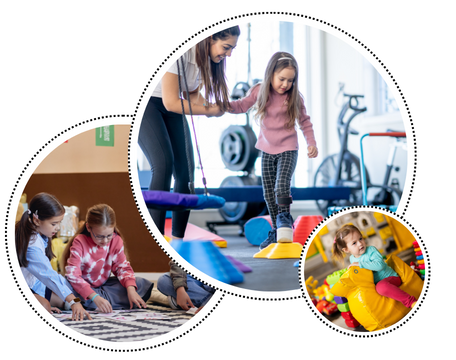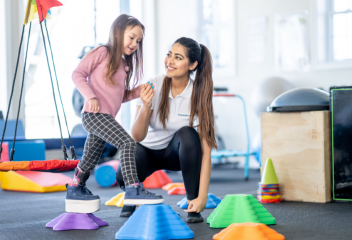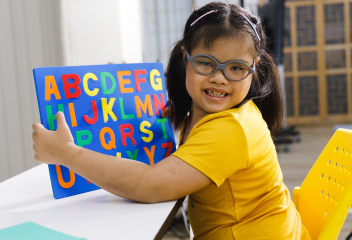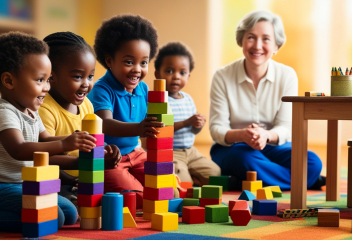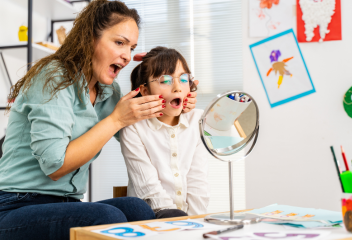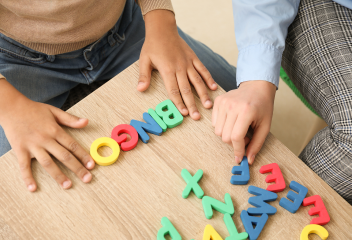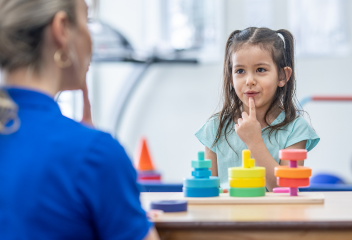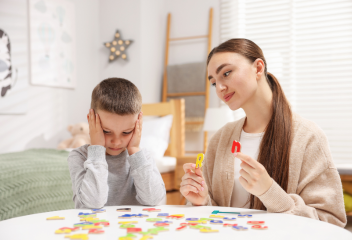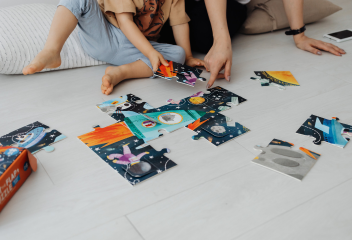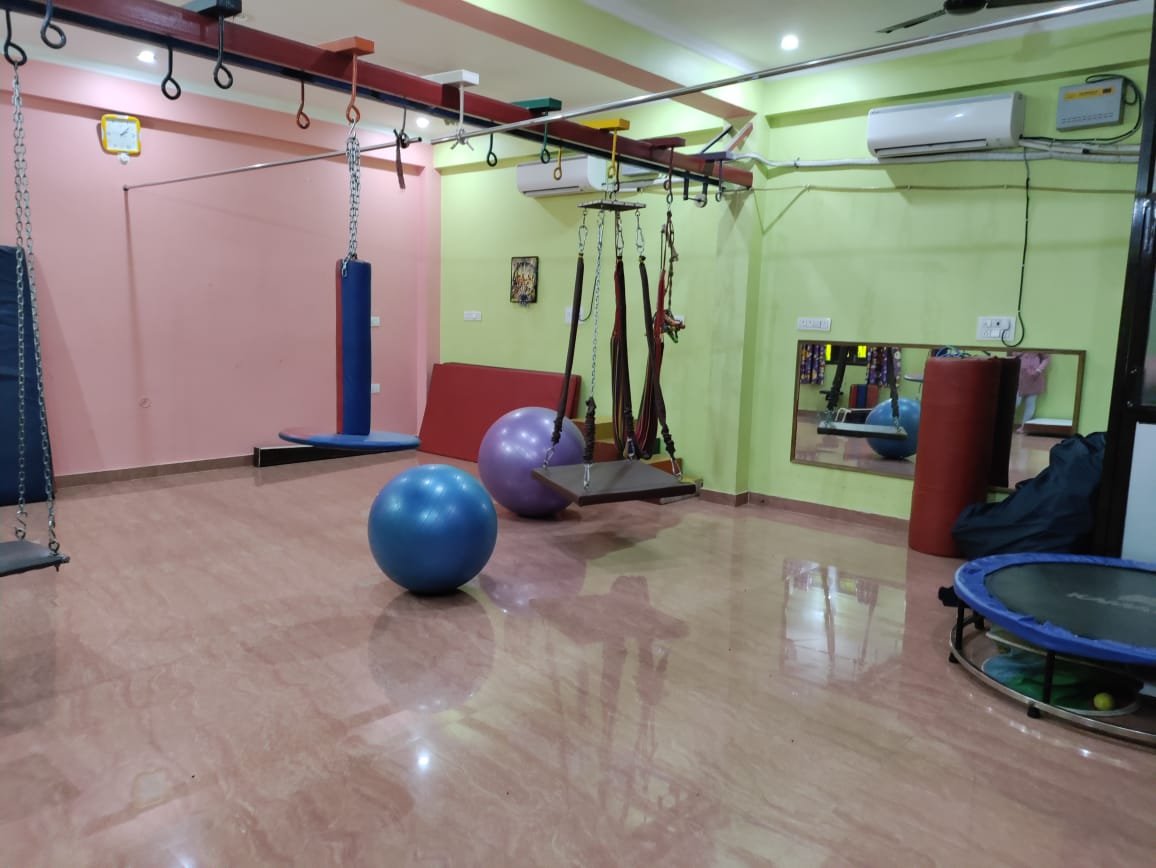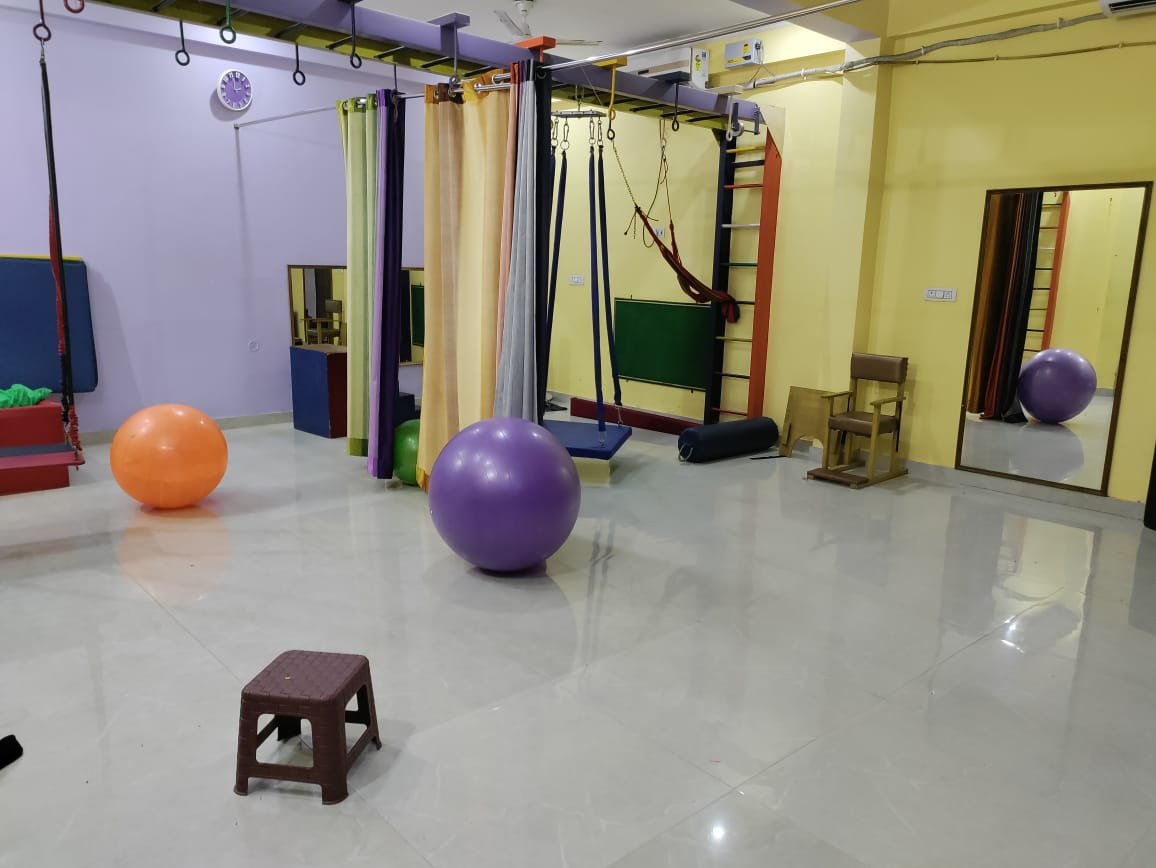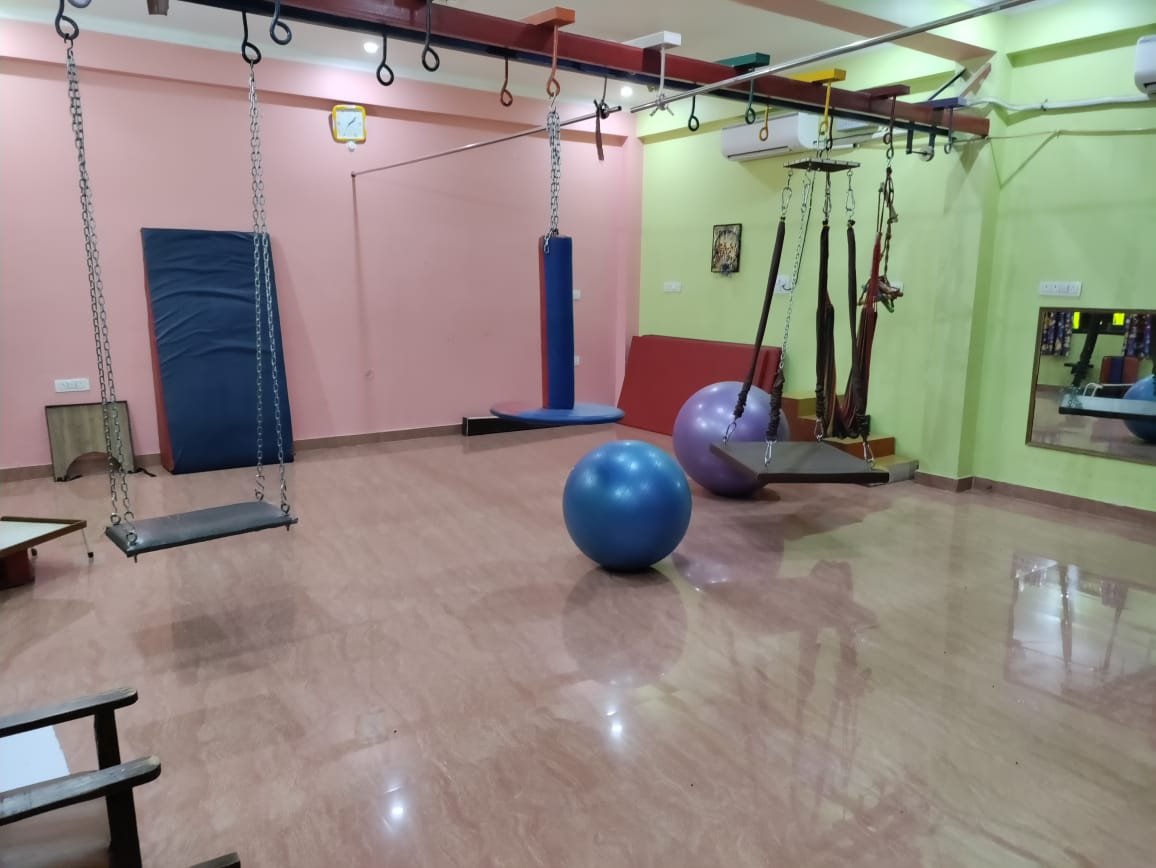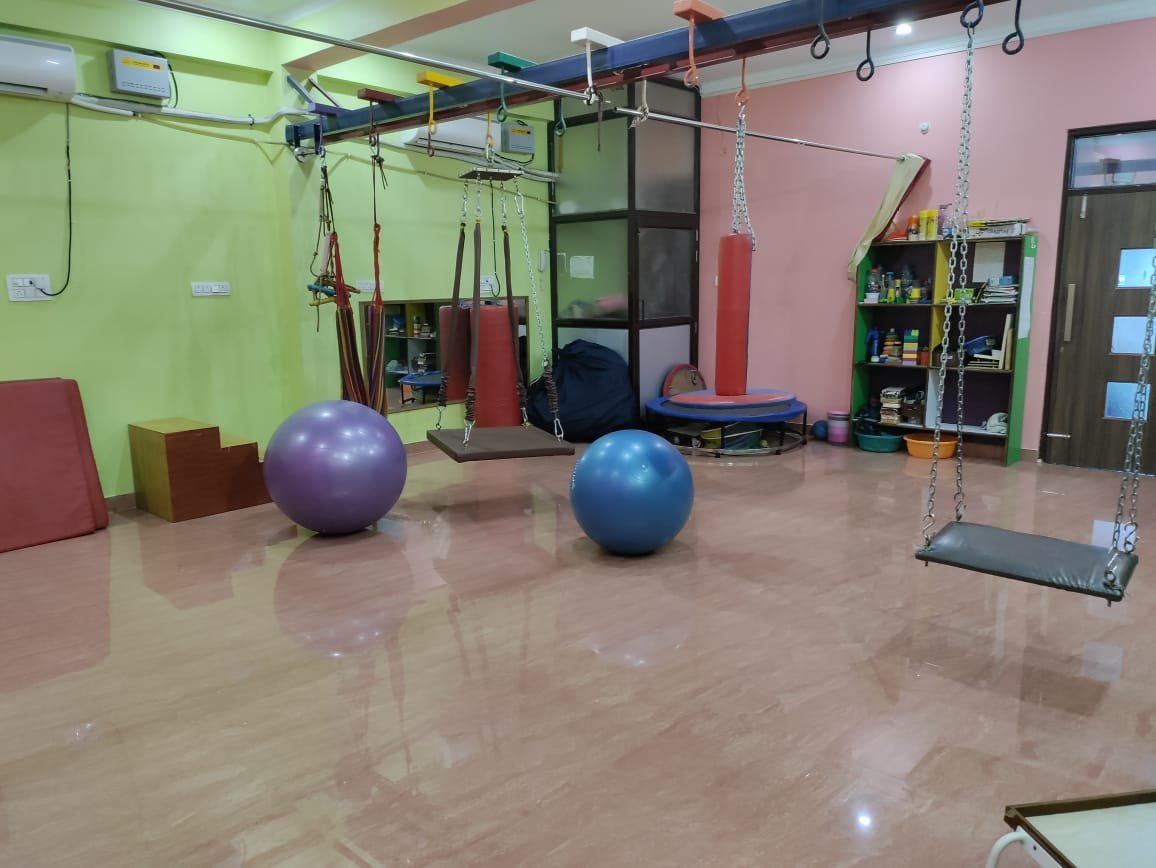
To provide the highest quality therapy services to our clients and their families in an environment of compassion and respect that supports the parents’ goals and desires for their child.

Occupational Therapist
Certified In Brain Gym
Reflex /Integration
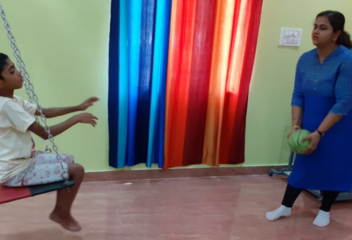
Dr. POONAM SONI owner of SIDDHI KIDS THERAPY CENTER. She is a occupational therapist.
She started siddhi Kids Therapy Center after recognizing the need for a family-centered pediatric therapy clinic in Allahabad. Her holistic approach to the health and well-being of children is at the heart of her work.
Through Siddhi kids therapy center, she is committed to supporting and educating families in an environment that is safe and inviting. She facilitates evidence based practice in the field of pediatric occupational therapy to improve quality of life of children.
We use a family-centered approach to treatment. Our sessions focus on individualized assessment, enrichment, and integration of your child’s abilities.
Occupational Therapist Certified In Brain Gym Reflex /Integration
Dr. POONAM SONI owner of SIDDHI KIDS THERAPY CENTER. She is a occupational therapist.
She started siddhi Kids Therapy Center after recognizing the need for a family-centered pediatric therapy clinic in Allahabad. Her holistic approach to the health and well-being of children is at the heart of her work.
Through Siddhi kids therapy center, she is committed to supporting and educating families in an environment that is safe and inviting. She facilitates evidence based practice in the field of pediatric occupational therapy to improve quality of life of children.
We use a family-centered approach to treatment. Our sessions focus on individualized assessment, enrichment, and integration of your child’s abilities.
Occupational therapy (OT) treatment focuses on helping people with a physical, sensory, or cognitive disability be as independent as possible in all areas of their lives.
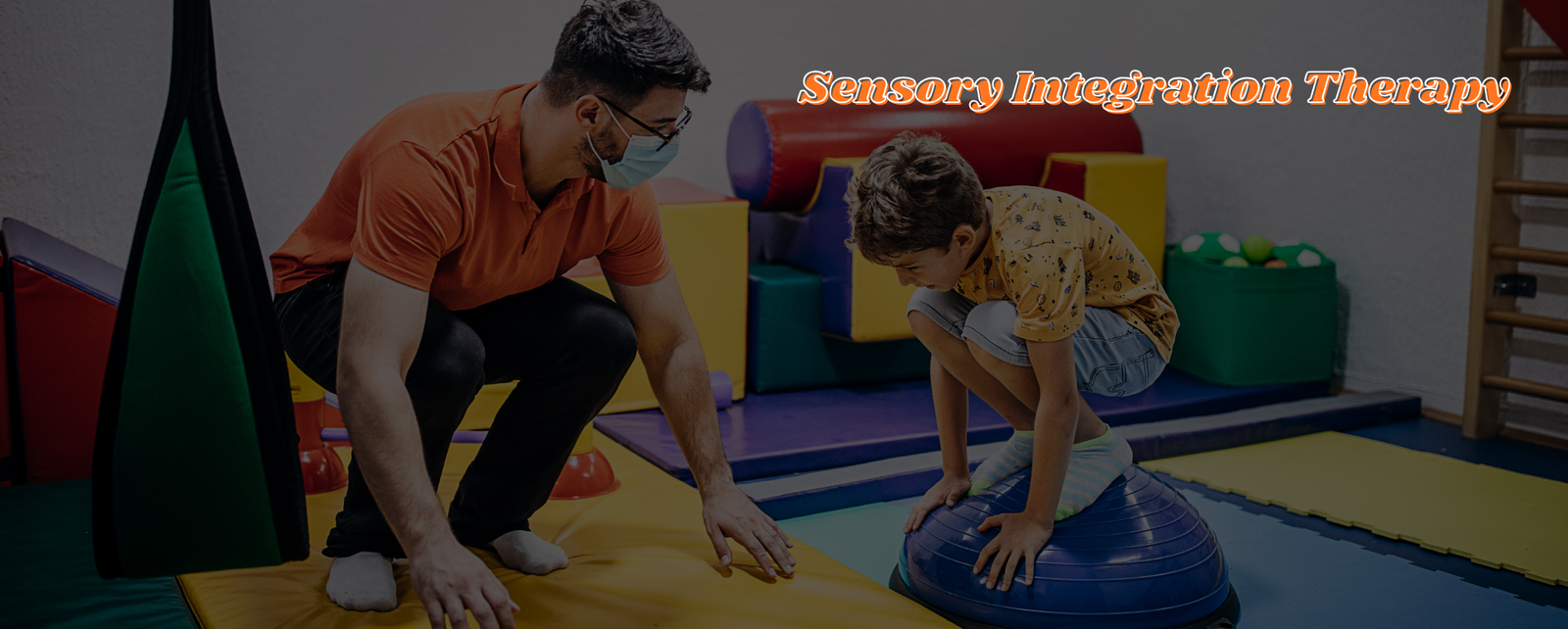
The process of sensory integration begins in utero and occurs throughout the lifespan.
Special education is the practice of educating students in a way that addresses their individual differences and needs.
Speech therapy is an intervention service that focuses on improving a child’s speech and abilities to understand and express language, including nonverbal language.
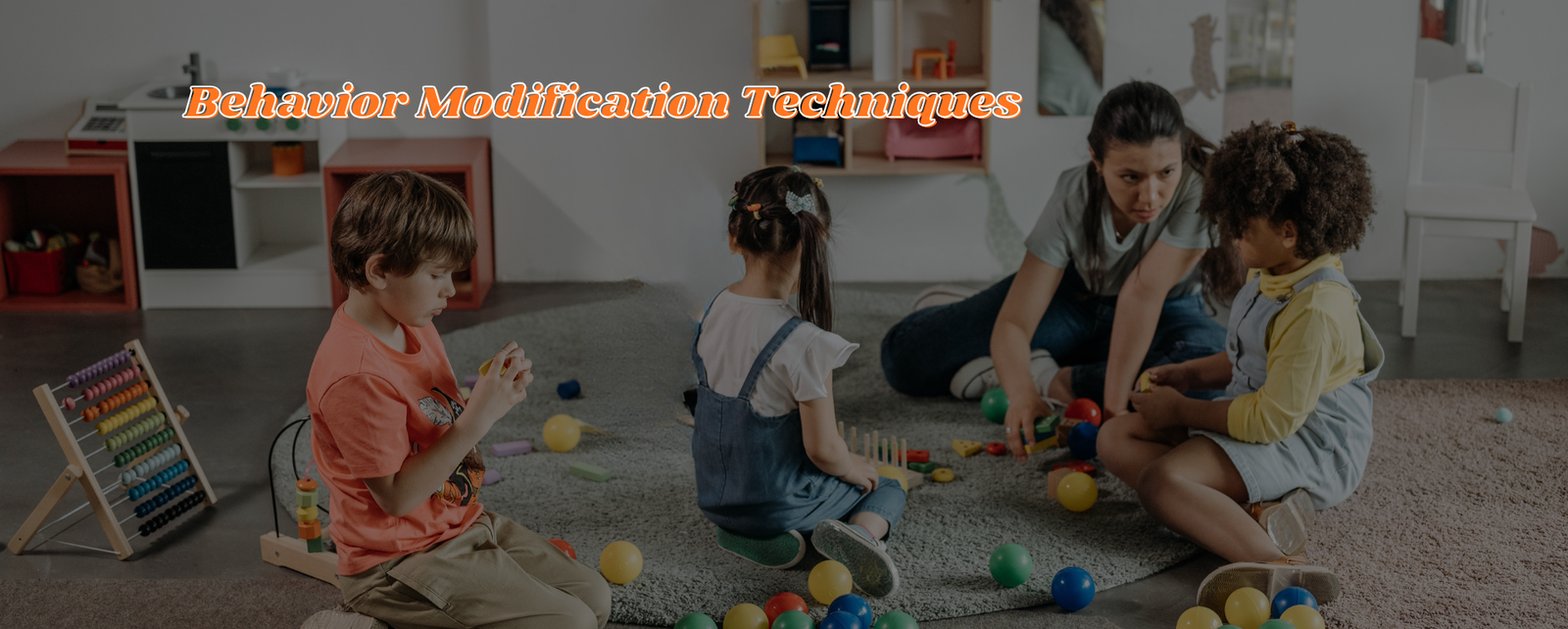
ABA therapy is a kind of psychotherapy that attempts to modify observable, maladjusted patterns of behavior by the substitution of a new response.
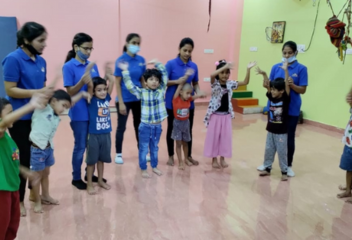
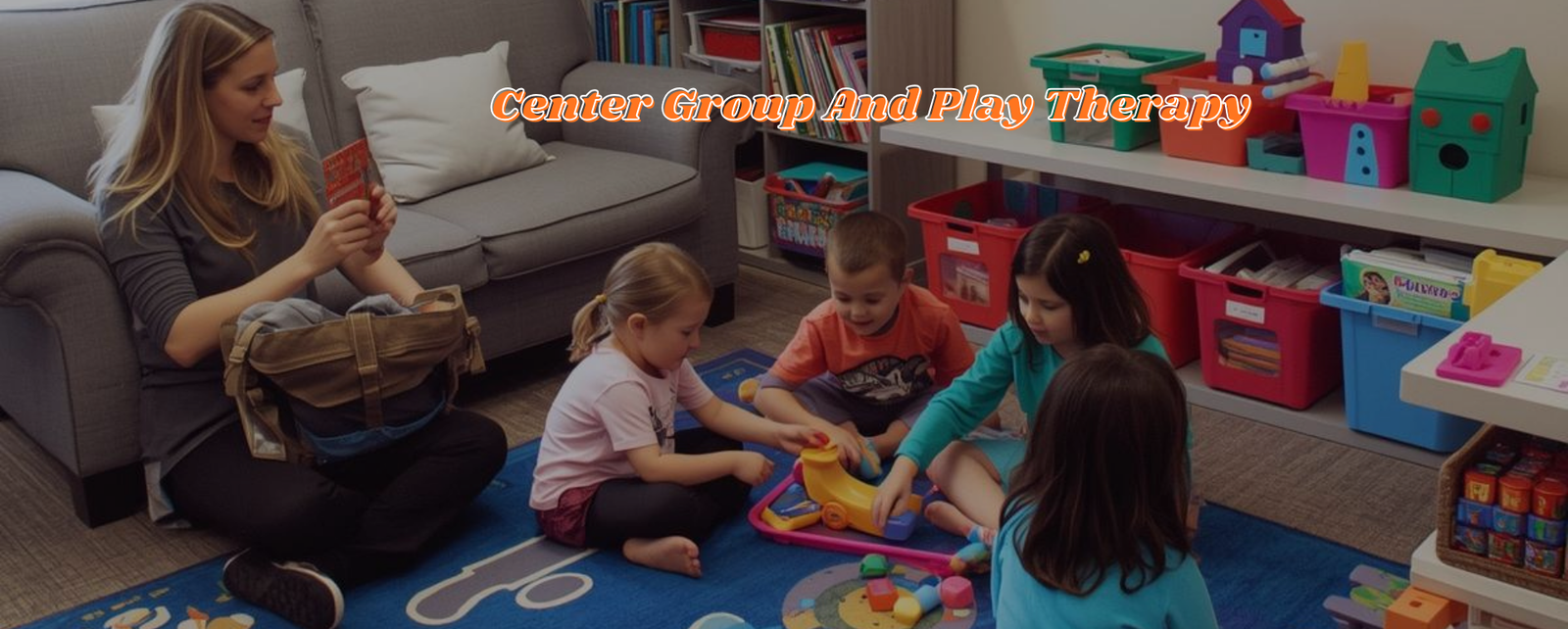
Interactive activities that promote social skills, emotional regulation, teamwork, and peer interaction in a supportive group environment.
Autism is a neurodevelopmental condition that affects how a child communicates, interacts socially, and responds to their environment. Children with autism may experience challenges with speech and language, social skills, sensory processing, and behavior. Since autism exists on a spectrum, each child presents with unique strengths, abilities, and areas of need.
ADHD is a neurodevelopmental condition that affects attention, self-control, and activity levels. Children with ADHD may have difficulty focusing, staying organized, or managing impulsive behaviors. With the right support, structure, and strategies, children can develop better attention skills, improve emotional regulation, and succeed in school and everyday life.
Sensory issues occur when the brain has difficulty receiving, processing, or responding to sensory information from the environment. Children with sensory challenges may be overly sensitive or under-responsive to sensations such as sound, touch, light, movement, taste, or textures. These difficulties can affect a child’s ability to focus, participate in daily activities, and interact comfortably with others.
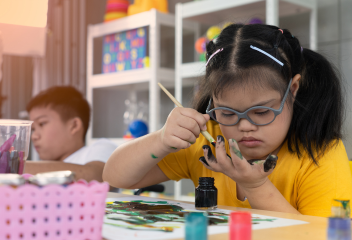
Down syndrome is a genetic condition caused by the presence of an extra chromosome 21, which affects a child’s physical growth, learning, and overall development. Children with Down syndrome may experience developmental delays, mild to moderate intellectual disabilities, and challenges with speech, motor skills, and social development.
Delay development refers to a condition in which a child does not reach age-appropriate milestones in areas such as speech and language, motor skills, cognition, social interaction, or daily living activities. These delays may be temporary or ongoing and can vary in severity from child to child.
Speech delay and language disorders affect a child’s ability to speak, understand, or use language effectively. Children may have difficulty forming words, speaking clearly, understanding instructions, or expressing their thoughts and needs. These challenges can impact social interaction, learning, and overall communication.
Articulation issues occur when a child has difficulty correctly producing speech sounds, making their speech unclear or hard to understand. Children with articulation challenges may substitute, omit, distort, or add sounds while speaking, which can affect communication and confidence.
Stammering, also known as stuttering, is a speech fluency disorder that affects the flow of speech. Children with stammering may repeat sounds, syllables, or words, prolong sounds, or experience pauses while speaking. These difficulties can sometimes lead to frustration, anxiety, or reduced confidence during communication.
Slurring is a speech difficulty in which words are spoken unclearly or sound blended together, making speech hard to understand. It may occur due to weak muscle control, coordination difficulties, or neurological factors that affect speech production. Children with slurring may speak too quickly or have trouble forming clear sounds.
Handwriting issues occur when a child has difficulty forming letters, maintaining proper spacing, controlling pencil pressure, or writing at an age-appropriate speed. These challenges may be related to fine motor skill delays, poor hand strength, coordination difficulties, or visual-motor integration issues.
Learning difficulties refer to challenges in acquiring and using academic skills such as reading, writing, spelling, reasoning, or mathematics. Children with learning difficulties may struggle with attention, memory, information processing, or understanding instructions, despite having average intelligence.
Dyslexia is a learning disorder that primarily affects reading and language-based skills. Children with dyslexia may have difficulty recognizing letters, decoding words, spelling, and reading fluently. These challenges are not related to intelligence but to how the brain processes written language.
Dysgraphia is a learning disorder that affects writing abilities. Children with dysgraphia may have difficulty with letter formation, spelling, spacing, handwriting speed, and organizing thoughts on paper. Writing tasks can feel tiring and frustrating due to poor fine motor skills or challenges with processing written language.
Dyscalculia is a learning disorder that affects a child’s ability to understand and work with numbers and mathematical concepts. Children with dyscalculia may struggle with counting, basic arithmetic, number sense, time, or understanding patterns and measurements, even with normal intelligence.
Hand function training focuses on improving a child’s fine motor skills, hand strength, coordination, and dexterity. This training helps children perform daily activities such as writing, buttoning clothes, using utensils, and manipulating small objects more effectively.

Sensory activities are simple, engaging tasks designed to stimulate a child’s senses—such as touch, sight, sound, smell, and movement.

Fine motor development refers to the ability to use small muscles in the hands and fingers for precise movements.

Gross motor development refers to the use of large muscles in the body for movements like walking, running, jumping, and balancing.

Balance activities are exercises that help children maintain body stability and control while standing.

Coordination activities are exercises that help children use different parts of their body together smoothly and efficiently.

It helps children perform everyday tasks like grasping, holding, writing, and manipulating objects more effectively.
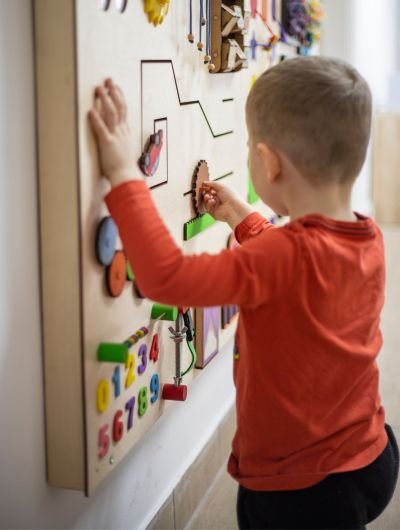
ADL training (Activities of Daily Living) helps children learn and improve essential self-care skills such as dressing, eating, grooming, and personal hygiene.

Speech development refers to the process of learning to communicate through sounds, words, and sentences.

Activities that help children understand and use words, sentences, and concepts effectively. These tasks improve vocabulary, comprehension, and meaningful communication.

Activities that help children improve thinking, understanding, memory, and problem-solving abilities.

Socialization is the process through which children learn to interact, communicate, and build relationships with others.
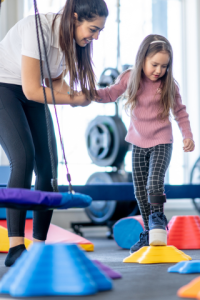
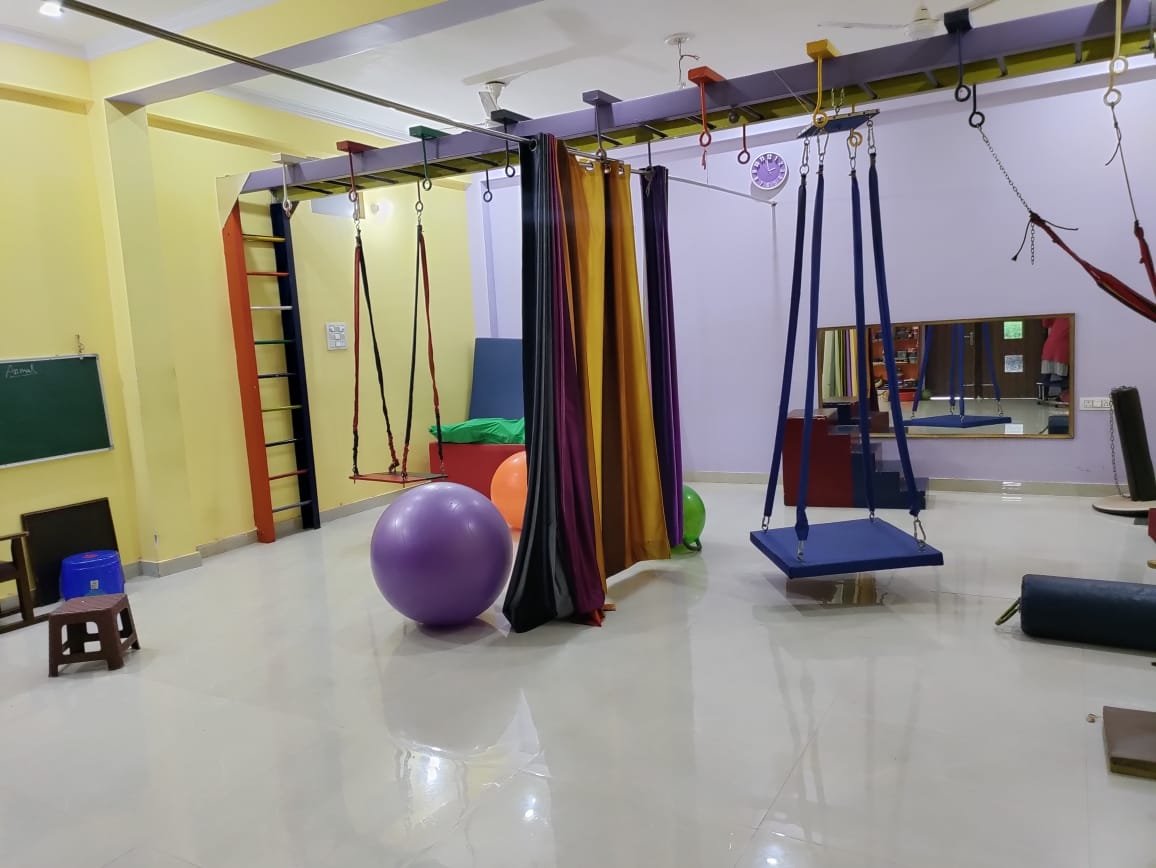
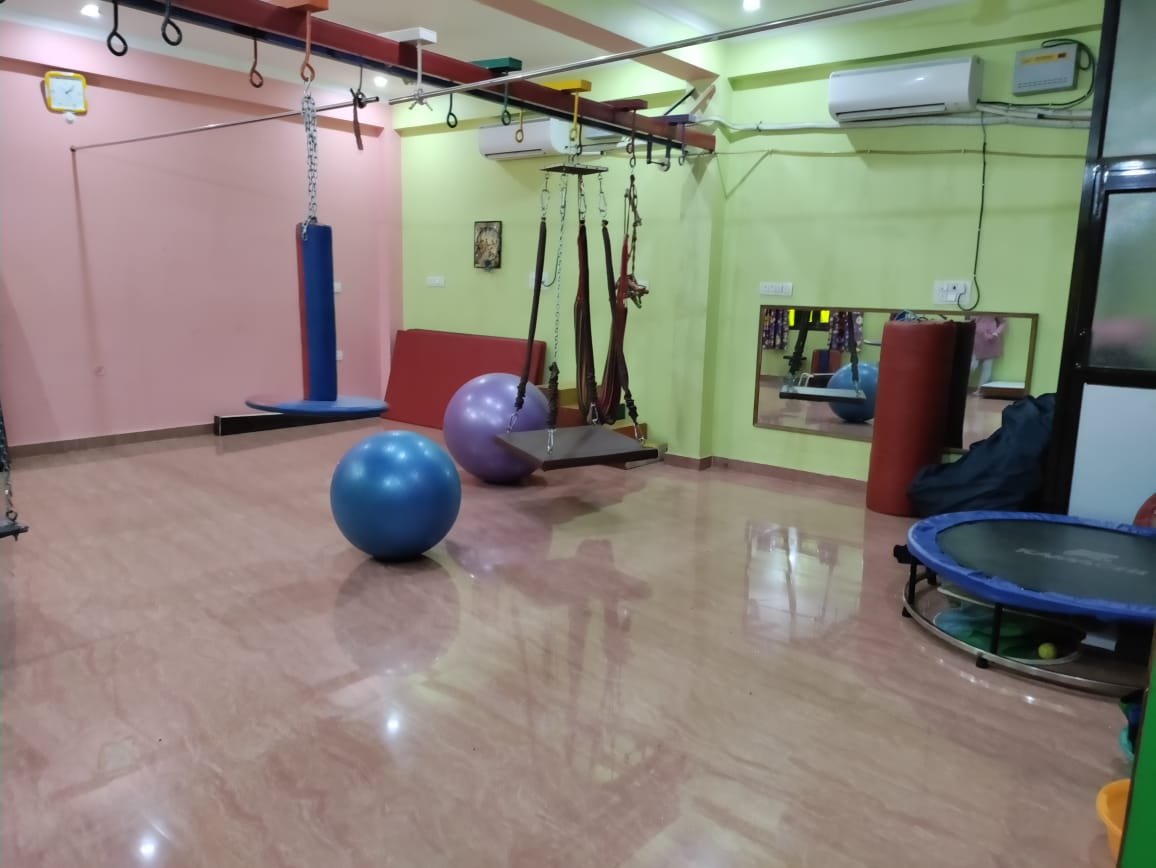
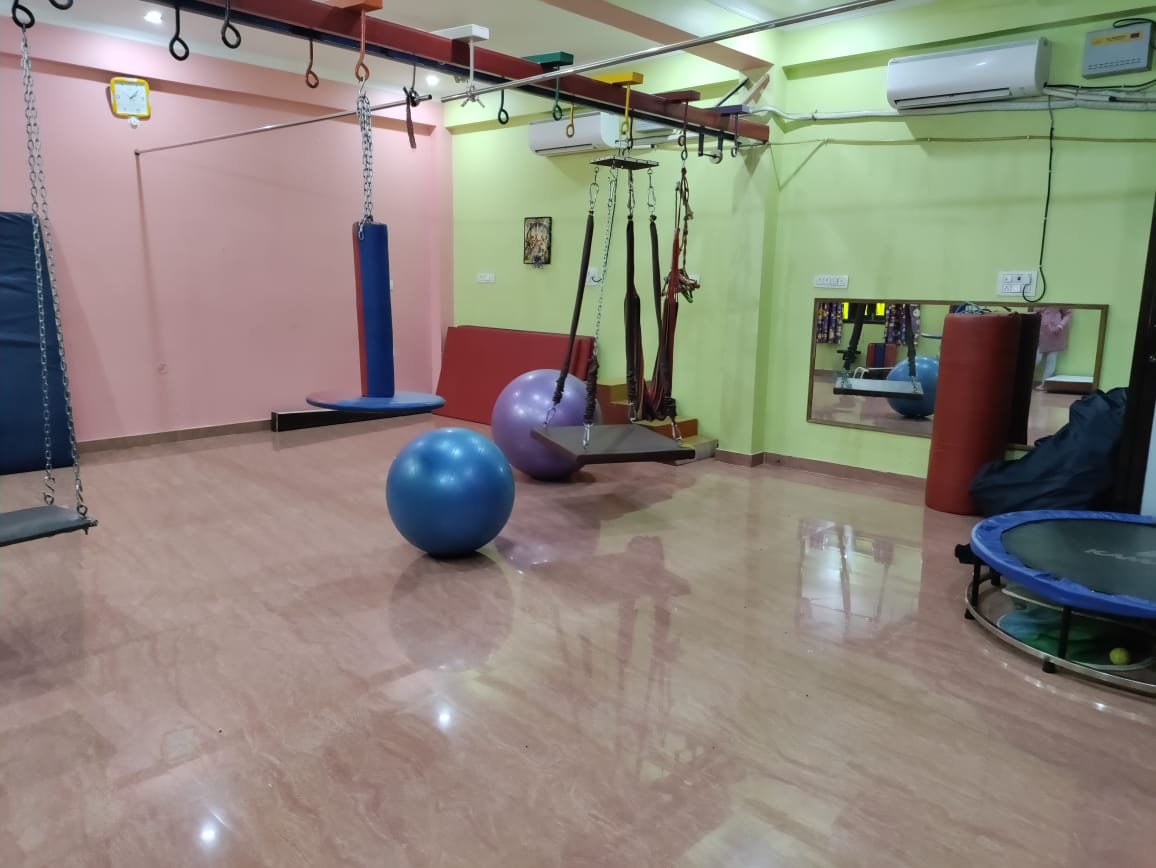
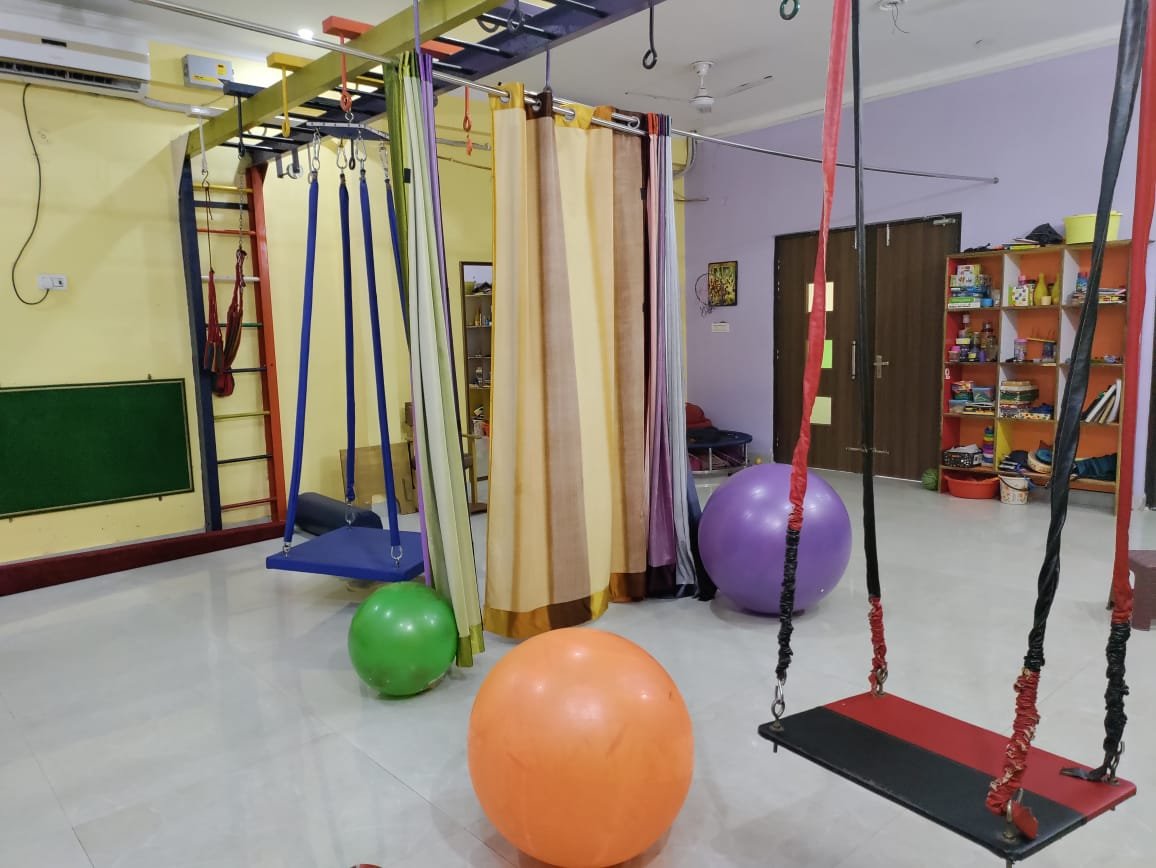
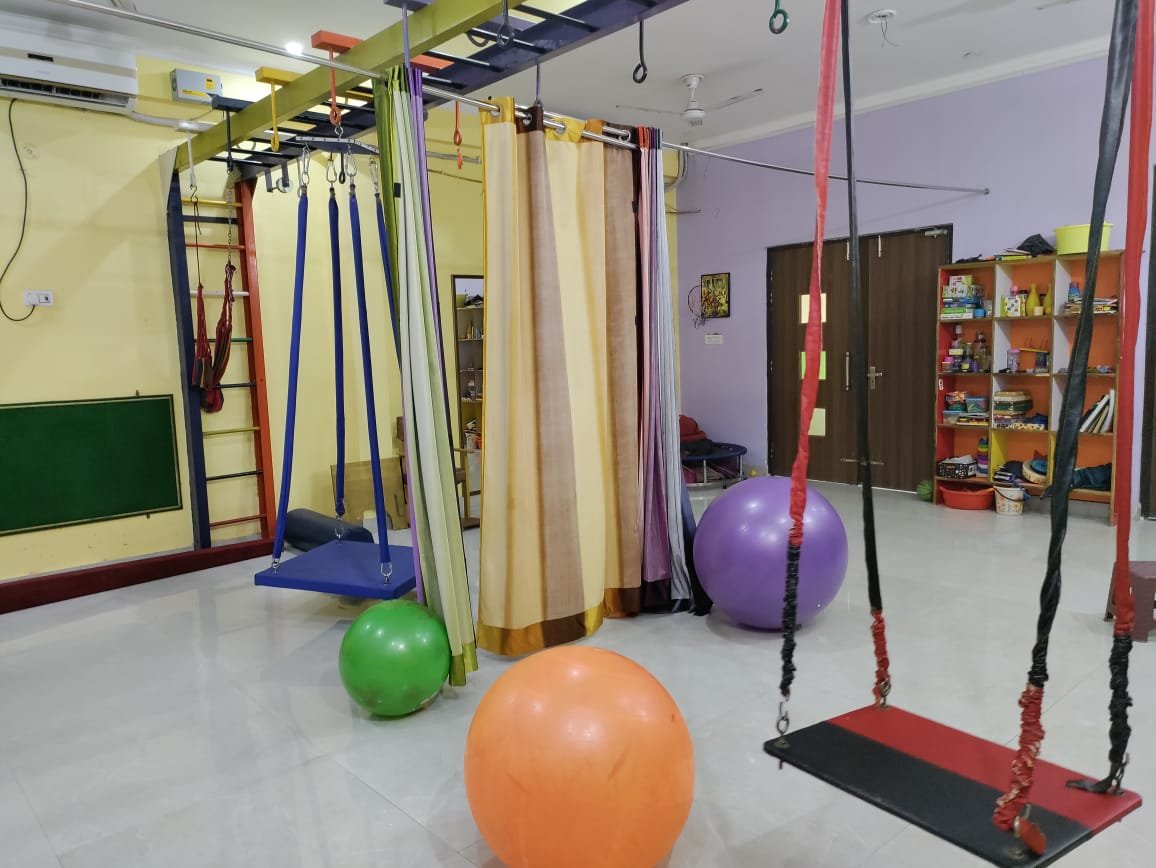
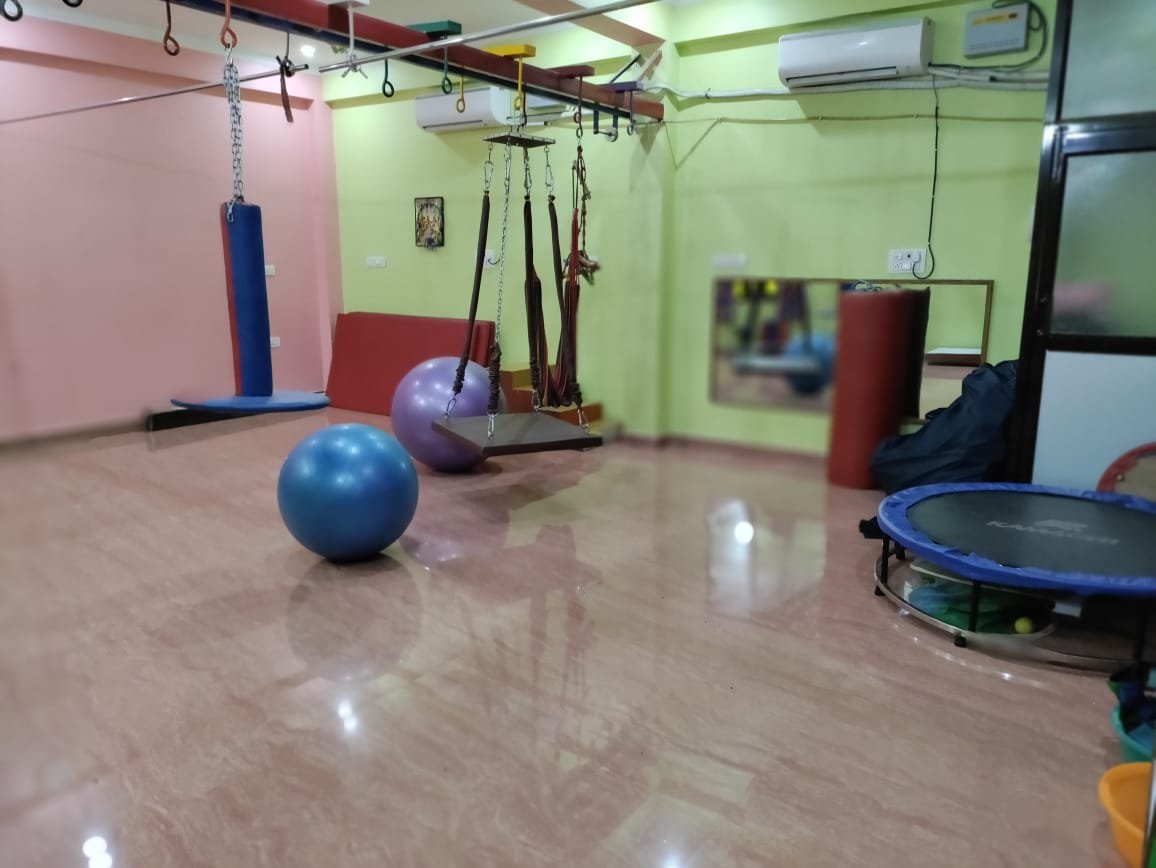
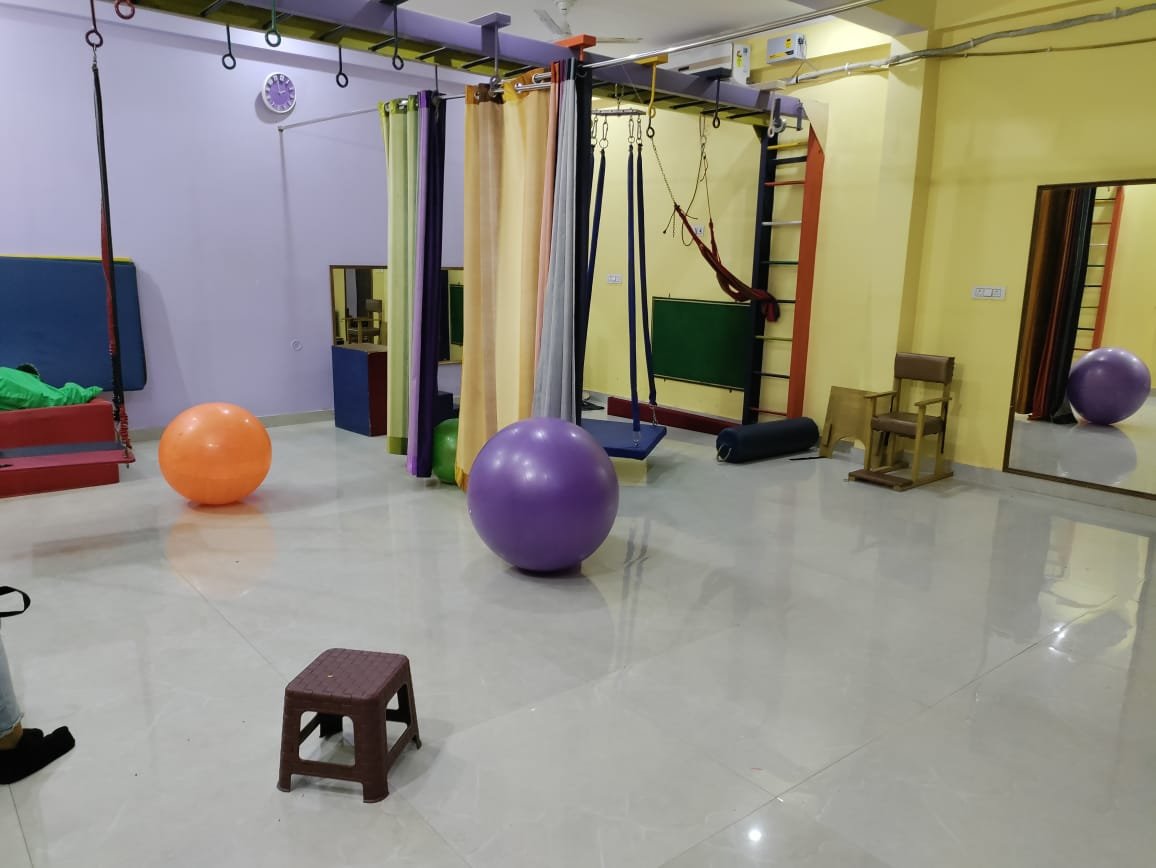
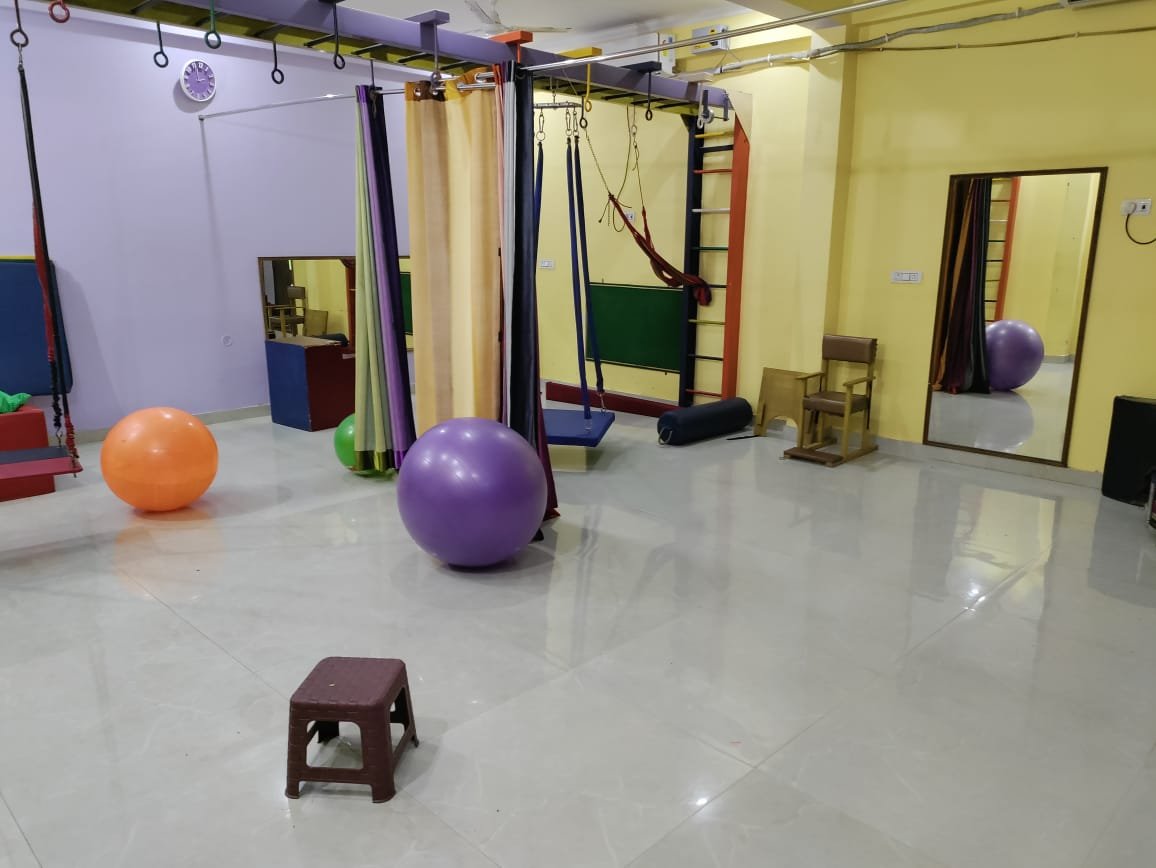
Siddhi Kids Therapy Centre (SKTC) is a multidisciplinary center which provides various Child rehabilitation Services under one roof. We have a group of highly skilled professionals who follow a multi modal holistic approach. We provide prevention, intervention and training services for individuals, families and institutions. Siddhi Kids Therapy Centre enhance and address the abilities of differently disabled children. .
Siddhi Kids Therapy Centre (SKTC) is a multidisciplinary center which provides various Child rehabilitation Services under one roof.
Plot no 19 Hastings Road Ashok Nagar, Prayagraj, Uttar Pradesh-211001
+91 7800673888
siddhikidstherapy@gmail.com
This will close in 0 seconds